The Ultimate Guide to the Emerald Triangle: California’s Legacy Cultivation Zone
Executive Summary (TL;DR)
- The Emerald Triangle—Humboldt, Mendocino, and Trinity Counties—remains California’s most famous cultivation cluster. Success here still hinges on regulatory fit (zoning, buffers, CEQA, water and wildlife permits), not romantic lore.
- Expect layered approvals: local authorization, CEQA compliance, water quality/quantity enrollment with the State Water Boards, and (when applicable) CDFW Lake and Streambed Alteration agreements. Department of Cannabis ControlCalifornia Water BoardWildlife California
- Many jurisdictions control siting with 600-foot sensitive-use buffers at minimum; some adopt larger distances or different measurement methods—confirm the local rule in writing. FindLaw Codes
- The business climate rewards disciplined operators who pair clean-stock, environmental stewardship, and realistic finance with right-sized real estate. If you need speed, evaluate operating assets and retro-fit your SOPs onto them. → See cultivation & production businesses for sale
Table of Contents
- Why the Emerald Triangle still matters
- Market reality check & local-control landscape
- Permitting stack overview (what it actually takes)
- Siting: zoning, buffers, and environmental constraints
- Build vs. buy: industrial shells vs. operating farms
- Cost, risk, and KPI discipline in legacy terrain
- Due-diligence checklist (Triangle-specific)
- Next steps and curated inventory
Why the Emerald Triangle still matters
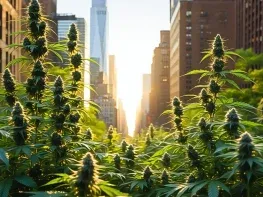
For investors and operators, The Emerald Triangle is more than a brand—it’s an integrated production ecosystem with experienced labor, established vendor networks, and microclimates suited to mixed-light and outdoor programs. But legacy alone won’t fund your P&L. You need permitted land, compliant water access, wildlife-safe practices, and a realistic sales plan in a statewide market still wrestling with price compression and licensing churn.
If your plan is to enter or expand, start by mapping regulatory fit and secure compliant facilities that match your cultivation method (mixed-light greenhouses, dep tunnels, or indoor conversions). → Browse industrial grow spaces for lease
Market reality check & local-control landscape
California’s legalization kept local control intact: cities and counties decide whether cannabis uses are allowed, under what zoning, and subject to what caps and processes. A 2024 State Auditor report reiterates that local jurisdictions can regulate—or ban—commercial activity, and that many still do. Translation: you cannot assume a parcel is viable until the county says so. California State Auditor
Within the Triangle:
- Humboldt County: a mature permitting apparatus and extensive CEQA history from its commercial cannabis ordinance EIR; expect detailed environmental conditions in approvals. Humboldt County
- Mendocino County: an active Cannabis Department and program materials for new/renewal phases; county license + state license are both required before activities commence. Mendocino County+1
- Trinity County: application packets, fee schedules, and division updates are publicly posted; read the fine print (e.g., self-transport permission timelines). trinitycounty.org+1
Implication: Your business plan must align with the county you select. Fees, caps, environmental review depth, and processing timelines vary materially across the three counties.
Permitting stack overview (what it actually takes)
A clean plan anticipates four layers:
- Local authorization
- Zoning clearance and, when required, Conditional Use Permit (CUP) with public notice and conditions (hours, odor control, traffic, signage).
- County program requirements (application packets, renewals, performance standards). Mendocino Countytrinitycounty.org
- State licensing
- The Department of Cannabis Control (DCC) requires that annual licenses demonstrate CEQA compliance; the department will not issue an annual license until your project complies. Many local processes are discretionary and produce the CEQA document you’ll use at the state level. Department of Cannabis Control
- Water rights & water quality protection
- Enrollment or compliance with the State Water Resources Control Board Cannabis Cultivation Policy (diversions, storage, forbearance periods, setbacks, erosion control). Expect strict rules to protect riparian corridors, wetlands, and instream flows. California Water Board+1
- Wildlife protection
- CDFW may require a Lake and Streambed Alteration Agreement (LSA/LSAA) when projects may substantially affect fish or wildlife resources (e.g., crossings, bank stabilization, diversions). Wildlife California
Pro tip: Build a simple Gantt showing local entitlement, CEQA, Water Boards enrollment, and any LSAA review so stakeholders understand the true critical path.
Siting: zoning, buffers, and environmental constraints
Buffers & measurement methods
California’s baseline statute references 600-foot sensitive-use separation for certain activities, but local governments control distance, what counts as a sensitive use, and the measurement method. You’ll see property-line-to-property-line, entrance-to-entrance, and parcel-centroid variants in staff practice. Get the method in writing from planning staff and lock it into your purchase or lease contingencies. FindLaw Codes
Water, riparian, and CEQA
- The Water Boards’ policy constrains diversions and storage and sets erosion, setback, and riparian protections to safeguard fisheries and water quality. Plan for dry-season forbearance and on-site storage that respects setbacks and habitat. California Water Board
- CEQA is unavoidable for the state annual license and often occurs during county review. CEQA scope in the Triangle will typically address traffic, noise, greenhouse lighting at night (sky glow), water use, cultural resources, and biological resources; Humboldt’s ordinance EIR is a good reference for breadth. Department of Cannabis ControlHumboldt County
- If any part of the project may alter channels/banks or instream habitat, consult CDFW early about LSA triggers. Wildlife California
Quick comparison: permit pathways
| Pathway | When used | Upside | Watch-outs |
|---|---|---|---|
| By-right + ministerial building permits | Narrow zones with pre-defined standards | Fastest | Rare for cultivation; most counties use discretionary review |
| Zoning clearance + Admin permit | Small/low-impact projects | Lightweight conditions | Can still trigger CEQA if not ministerial |
| CUP + CEQA | Most mid/large projects | Predictable; allows public input | Timeline, conditions (lighting, traffic, odor) |
| Acquisition (licensed site) | Need revenue sooner | Known utility & environmental footprint | Transfer/COO sequencing; legacy conditions embedded |
Build vs. buy: industrial shells vs. operating farms
Who should build: operators with patient capital, a strong entitlement consultant, and specific facility demands (e.g., lab-grade microprop space, automated mixed-light complexes).
Who should buy: investors/operators prioritizing time-to-cash and execution risk reduction. An operating license with clean CEQA, Water Boards enrollment, and LSAA (if needed) can be worth a premium versus starting at raw land—especially if legacy road access, storage ponds, and power are already permitted.
Lease vs. purchase in the Triangle (summary)
| Consideration | Lease an industrial shell | Purchase land/farm |
|---|---|---|
| Speed to revenue | Often faster (existing building) | Slower (entitlements, CEQA, utilities) |
| Capital outlay | Lower upfront; TI allowance possible | Higher; control and equity upside |
| Control of site | Limited; landlord approval for upgrades | Full control (and maintenance duties) |
| Environmental history | Indoor shells reduce some CEQA issues | Outdoor/mixed-light face broader resource review |
| Exit flexibility | Easier to relocate | Harder to unwind; resale depends on entitlement status |
If you’re on the clock, evaluate operating farms or licensed facilities you can acquire and upgrade. → Scan current cultivation & production businesses
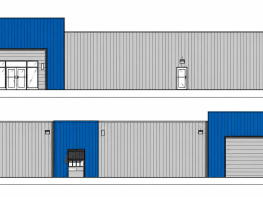
If you prefer a clean slate, study shells with the right power and clear heights. → Review industrial properties for sale
Cost, risk, and KPI discipline in legacy terrain
Core cost drivers
- Entitlements & CEQA (consultants, studies, mitigation). Department of Cannabis Control
- Water compliance (storage engineering, forbearance, erosion control BMPs). California Water Board
- Wildlife & habitat (surveys, LSA agreements if triggered). Wildlife California
- Security & odor (lighting shields, filtration, perimeter).
- Labor & logistics (remote sites = longer drives + maintenance).
Risk controls that pay for themselves
- Index mothers & inbound clones regularly (RT-qPCR) to avoid viroid-driven “mystery yield loss.”
- Water chemistry discipline (finished-water alkalinity, inflow vs. drain EC/pH logs).
- VPD uptime and airflow mapping to prevent PM/Botrytis.
- Road & erosion maintenance before first rains.
KPIs to publish weekly
- Yield per ft² per day; grade distribution (% A/trim); COA pass rate.
- Drain EC/pH by bench; emitter clog rate; reservoir turbidity.
- CEQA/permit tracker (days to milestones, outstanding conditions).
- Water Boards/LSA compliance calendar (inspections, reporting dates).
Due-diligence checklist (Triangle-specific)
Regulatory & land use
- Confirm zoning district allows your use (by right or CUP).
- Write down the sensitive-use list and measurement method used by the county/city; include staff email confirmation. FindLaw Codes
- Check for caps/moratoria or license quotas.
- Identify whether CEQA will be prepared locally (most likely); note studies expected (biological, traffic, lighting). Department of Cannabis Control
Water & habitat
- Verify enrollment or path under State Water Boards’ Cannabis Policy (diversions, storage plan, setbacks, BMPs). California Water Board
- Determine whether an LSA Agreement is required (channel crossings, bank work, culverts). Wildlife California
- Map wetlands/riparian corridors and seasonal forbearance windows.
County programs & timing
- Humboldt: review ordinance history/EIR and standard conditions. Humboldt County
- Mendocino: check the Cannabis Department page and current phase guidance; remember both county and state licenses are needed before activity. Mendocino County+1
- Trinity: consult the Cannabis Division updates and 2025 application packet notes (e.g., self-transport language). trinitycounty.org+1
Operations
- Clean-stock plan (meristem/seed/clone vendors) and indexing cadence.
- Odor and sky-glow controls aligned to likely CUP conditions.
- Road maintenance, fire-safe access, and power reliability plan.
Real estate
- Title, easements, legal access; ALTA survey.
- Phase I ESA (legacy ag/forestry issues); slope and erosion risks.
- Utilities (three-phase power; water storage volume; broadband for cameras).
Next steps and curated inventory
- Decide your path: acquire a permitted operation with clean CEQA/Water Boards/LSA or pursue a new entitlement.
- Run the map: pull zoning layers and staff-confirmed buffer methods for your short-list communities.
- Budget the stack: CEQA, Water Boards compliance, potential LSA, and mitigation.
- Hunt assets where the footprint fits your method and timeline:
Disclaimer
This article is for educational purposes only and does not constitute legal, engineering, financial, or tax advice. Always consult qualified professionals and your local Authority Having Jurisdiction before making decisions.